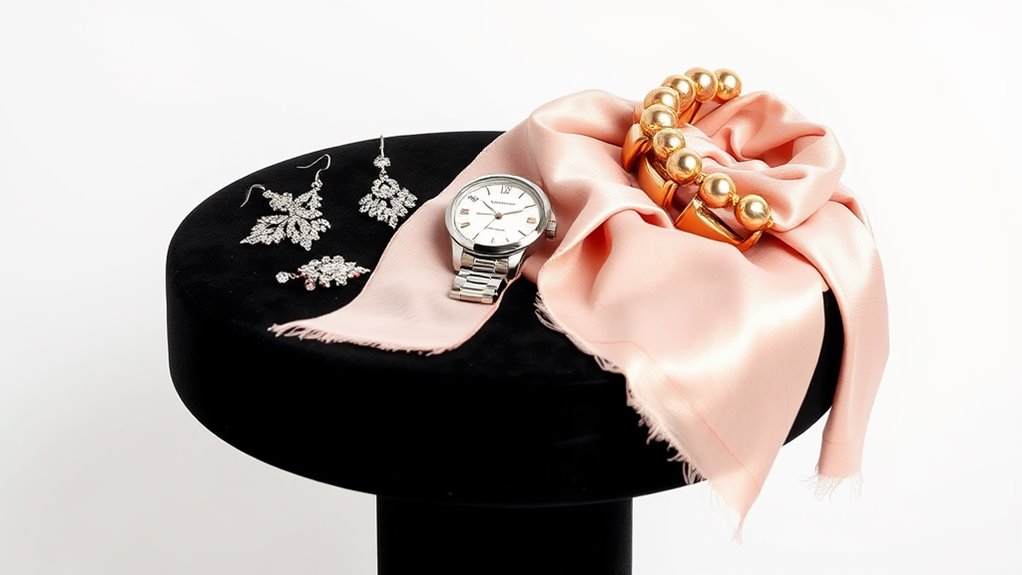
To maximize your closet's potential, start by purging and decluttering your belongings, then categorize and group similar items together. Assign a designated home for each item to maintain a clutter-free space. Utilize vertical storage space by installing shelves and hooks, and invest in closet organizers and accessories to optimize storage. Keep shoes in order with stackable racks and bins, and manage accessories and jewelry with designated zones. Create a maintenance routine to keep your closet organized, and consider investing in a closet organizer system to take your space to the next level – and discover more tips to fine-tune your closet's functionality.
Purge and Declutter Your Closet
Since you're ready to tackle that closet chaos, start by taking everything out – yes, everything! This will give you a clear view of what you have and help you decide what's worth keeping. Begin making a closet inventory by sorting items into three piles: keep, donate, and discard. Be honest with yourself – if you haven't worn something in a year, it's probably safe to let it go. Consider donating gently used items to charity or selling them online. This will not just declutter your space but also make a positive impact on the environment. As you sort, ask yourself if each item sparks joy or serves a purpose. If not, it's time to let it go. By purging your closet of unnecessary items, you'll create a more functional and peaceful space that inspires creativity and productivity.
Categorize and Group Similar Items
You'll find it's much easier to navigate your closet when you categorize and group similar items together. Start by sorting items into types and subtypes, like tops, bottoms, and dresses. Then, separate them further into seasonal and occasional items, everyday necessities, and must-haves.
Type and Subtype
Categorizing your belongings into types and subtypes is a crucial step in achieving a well-organized closet. This process helps you identify patterns and relationships between items, making it easier to create functional groups. For instance, categorize clothes by type, such as tops, bottoms, dresses, and outerwear. Then, create subtypes within each category, like long-sleeve tops, short-sleeve tops, or formal dresses. This approach helps you visualize your closet themes and develop effective organization tips. By grouping similar items together, you can optimize your closet's storage capacity and simplify your daily routine. You'll spend less time searching for what you need and more time enjoying your newly organized space.
Seasonal and Occasional
Now that you've grouped your clothes into types and subtypes, it's time to tackle seasonal and occasional items. These items can be tricky to organize, but with a few simple strategies, you can keep them in check. Consider implementing a seasonal rotation, where you switch out winter clothes for summer ones, and vice versa. This will help reduce clutter and keep your closet feeling fresh. For occasion outfits, such as formal wear or holiday attire, consider designating a specific section of your closet or using storage bins to keep them separate from your everyday clothes. This will make it easy to find what you need when you need it, and prevent these special items from getting lost in the shuffle.
Everyday and Essentials
About 80% of your closet space is likely dedicated to everyday necessities – the clothes you wear on a regular basis. To optimize your closet's functionality, categorize and group similar items together. This guarantees that your wardrobe fundamentals are easily accessible, making it simpler to create daily outfits.
Separate your everyday items into subcategories, such as:
- Tops (t-shirts, blouses, and sweaters)
- Bottoms (jeans, trousers, and skirts)
- Dresses (work, casual, and formal)
- Outerwear (jackets, coats, and scarves)
Assign a Home for Each Item
Every item in your closet needs a designated spot, a place where it can be easily found and put back after use. This is key to maintaining a clutter-free closet. Assigning a home for each item promotes efficient item placement and prevents clutter from building up. Create designated zones for different types of items, such as a section for dresses, tops, and pants. Within these zones, allocate specific spaces for each item, like a hook for your favorite jacket or a shelf for your handbags. This way, you'll always know where to find what you need, and you'll be more likely to put things back in their place after use. By doing so, you'll save time and reduce stress when getting dressed in the morning.
Utilize Vertical Storage Space
Since you're already maximizing your closet's horizontal space, it's time to look up – literally – and utilize your closet's vertical storage space. This often-overlooked area can hold a lot more than you think. By installing vertical shelving units or wall mounted racks, you can store items like bins, baskets, and even clothing items that you don't use frequently. This will help keep your closet floor and shelves clutter-free.
Here are some ways to make the most of your closet's vertical space:
- Install shelves that go up to the ceiling to store out-of-season clothing or luggage.
- Use stackable storage bins to keep items like accessories or linens organized.
- Hang belts, scarves, or hats on wall-mounted hooks to keep them organized and easy to find.
- Consider investing in a vertical storage unit with drawers or cabinets for additional storage.
Invest in Closet Organizers and Accessories
You'll be amazed at how much more functional your closet becomes when you invest in organizers and accessories. Shelf dividers and bins help keep folded items tidy, whereas hooks and hanging bars maximize your closet's vertical space. By incorporating these tools, you'll create a more efficient and peaceful space that makes your daily routine easier.
Shelf Dividers and Bins
Shelf dividers and bins are the unsung heroes of closet organization, helping to corral clutter and keep your belongings visible and accessible. By incorporating these necessities into your closet, you'll be able to maintain a sense of calm and control. When selecting shelf dividers, consider materials that complement your closet's aesthetic, such as wood, metal, or fabric. For bins, choose size options that fit your specific storage needs, from small cubbies for accessories to large containers for seasonal items.
- Adjustable shelf dividers to accommodate items of varying sizes
- Stackable bins for maximizing vertical storage
- Clear storage bins to easily identify contents
- Foldable shelf dividers for easy rearrangement or removal
Hooks and Hanging Bars
Two essential components of a well-organized closet are hooks and hanging bars, which work in tandem to maximize storage capacity and streamline your morning routine. You'll find various hook styles to suit your needs, from traditional over-the-door hooks to sleek, modern wall-mounted designs. Consider installing double or triple hooks to hang multiple items, such as bags, hats, or scarves, in a single spot. Hanging solutions like adjustable rods and shelves can be customized to fit your closet's unique dimensions, allowing you to make the most of your space. By incorporating these elements, you'll be able to effortlessly access your belongings and maintain a clutter-free closet.
Implement a Color-Coded System
Since you've purged your closet of unwanted items, it's time to create a visually pleasing and functional space by implementing a color-coded system. This system not only adds a touch of sophistication to your closet, but it likewise taps into color psychology, influencing your mood and behavior. By grouping similar hues together, you'll create a sense of harmony and visual flow, making it easier to navigate your wardrobe.
Consider the following benefits of a color-coded system:
- Elevated wardrobe aesthetics: A rainbow-organized closet is a feast for the eyes, encouraging you to experiment with new outfits and combinations.
- Streamlined decision-making: When similar colors are grouped together, you'll quickly identify the pieces that work well together, saving you time and effort.
- Reduced decision fatigue: With a color-coded system, you'll make fewer decisions, as you'll intuitively know which pieces to pair together.
- Increased creativity: A visually organized closet sparks inspiration, allowing you to think outside the box and create unique outfit combinations.
Store Out-of-Season Clothing
As you've curated your wardrobe and implemented a color-coded system, it's essential to tackle the next step: storing out-of-season clothing. This means you'll need to decide where to store your winter sweaters in the summer and your summer dresses in the winter. Consider using vacuum-sealed storage bags or bins to keep your clothes fresh and protected from dust.
Here's a breakdown of how to approach seasonal rotation:
| Season | Clothing | Storage Solution |
|---|---|---|
| Winter | Coats, boots, gloves | Underbed storage or vacation storage bins |
| Spring | Lightweight jackets, scarves | Stackable bins or hanging organizers |
| Summer | Shorts, t-shirts, swimwear | Closet shelves or hanging organizers |
| Fall | Sweaters, jeans, boots | Underbed storage or stackable bins |
| Vacation | Out-of-season clothing | Vacation storage bins or containers |
Keep Shoes in Order
About 20-30 pairs of shoes cluttering your closet floor is a common problem many of us face. It's time to take control and implement some innovative shoe storage solutions to keep your footwear organized and easily accessible.
To maximize your closet's storage capacity, consider these footwear organization tips:
- Invest in stackable shoe racks that can hold multiple pairs, keeping them visible and preventing them from getting scattered around the floor.
- Utilize the back of the door by attaching over-the-door shoe organizers or hooks to hang your shoes, freeing up valuable floor space.
- Designate a specific area for your shoes, such as a shoe cubby or a designated shelf, to maintain a sense of order and structure.
- Implement a "one in, one out" policy to prevent your shoe collection from growing out of control and overwhelming your closet.
Manage Accessories and Jewelry
You've got your shoes in order, now it's time to tackle the rest of your accessories and jewelry. From storing necklaces to corralling scarves, you'll need strategies to keep these small but mighty items from taking over your closet. In this section, you'll learn how to choose the right jewelry storage options, implement accessory organization tips, and tame the scarf mess for good.
Jewelry Storage Options
In regard to managing your accessories and jewelry, having a well-organized storage system is crucial for keeping your closet clutter-free and making the most of your valuable pieces. You'll want to take into account investing in jewelry storage options that cater to your unique needs and style.
- Jewelry boxes with separate compartments can keep your pieces organized and prevent tangling.
- Wall organizers with hooks and shelves can maximize vertical storage and keep your jewelry visible.
- Stackable trays can store larger items like bracelets and watches.
- Hanging organizers with pockets can store earrings and necklaces.
Accessory Organization Tips
As you explore the domain of accessory organization, consider that a cluttered closet can lead to a cluttered mind, making it difficult to find the perfect accessory to complete your outfit. To avoid this, implement clever accessory storage solutions, such as stackable bins or hanging organizers, to keep belts, hats, and bags within easy reach. Display ideas like acrylic risers, velvet trays, or geometric shelves can showcase your favorite pieces during the addition of a touch of sophistication to your closet. By categorizing and allocating a specific spot for each accessory, you'll save time and reduce stress when getting dressed. With a well-organized accessory collection, you'll feel more put together and confident in your daily life.
Taming the Scarf Mess
Scarves have a way of getting tangled and twisted, turning your closet into a knotty nightmare. But don't let them get the best of you! With a few clever scarf storage hacks, you can keep your closet organized and your scarves looking their best.
Try these innovative solutions:
- Scarf organizer: Invest in a scarf organizer or a hanging scarf storage rack to keep your scarves neatly hung and untangled.
- Fold and store: Fold your scarves into compact squares and store them in a drawer or on a shelf.
- Use a scarf hanger: Utilize a scarf hanger that allows you to hang multiple scarves on a single hook.
- Roll and store: Roll your scarves into neat cylinders and store them in a basket or container.
Create a Maintenance Routine
By sticking to your newly organized closet, you'll be able to enjoy the benefits for months to come. To guarantee your closet remains clutter-free, create a maintenance routine that works for you. Start by scheduling weekly check-ins to tidy up and put away items that are out of place. This habit will prevent clutter from building up again. Next, establish a cleaning schedule to deep clean your closet every few months. Set reminders on your calendar to stay on track. Furthermore, implement a "one in, one out" policy to maintain a balanced amount of clothing and accessories. By following these simple steps, you'll be able to maintain your organized closet and enjoy the benefits of reduced stress, saved time, and increased productivity.
Consider a Closet Organizer System
If you're serious about maximizing your closet's storage potential, consider investing in a closet organizer system. This will help you make the most of your space and create a functional area that meets your specific needs. With custom closet solutions, you can design a system that caters to your unique requirements.
Modular shelving systems are a great option, as they allow you to easily adjust and adapt your storage as your needs change. Here are four benefits of using a closet organizer system:
- Increased Storage: Make the most of your closet's vertical space and store more items.
- Improved Accessibility: Easily find what you need with a organized and structured system.
- Reduced Clutter: Keep your closet tidy and clutter-free with designated spaces for each item.
- Customization: Design a system that fits your personal style and meets your specific needs.
Frequently Asked Questions
How Do I Handle Sentimental Items That Are Hard to Part With?
You're torn between keeping sentimental items and letting go of clutter. Here's a solution: practice memory management by taking photos of items you want to remember, then store them digitally. For items you can't part with, get creative with storage – use decorative boxes, shadow boxes, or even a memory quilt. This way, you'll free up space whilst still honoring your memories.
What if I Have a Very Small Closet With Limited Space?
You're squeezing into a tiny closet, feeling like a shipwrecked sailor on a deserted island. But don't let the limited space anchor you down! You can chart a course to a more organized you with space-saving solutions. Think vertical storage – install shelves, hooks, or a pegboard to maximize every inch. Use hanging organizers, bins, and baskets to corral clutter. By utilizing the strength of verticality, you'll create a haven that's both functional and fabulous.
Can I Use DIY Organizers or Should I Buy Pre-Made Ones?
You're wondering whether to go for DIY organizers or pre-made ones. Well, DIY benefits include customization to your unique space and budget-friendly options. Conversely, pre-made advantages lie in their ease of installation and durability. Consider your skills, time, and priorities. If you're short on time, pre-made might be the way to go. But if you're handy and want a customized solution, DIY could be the perfect fit for you.
How Often Should I Reassess and Reorganize My Closet?
You'll want to reassess your closet's organization regularly to keep it functional and clutter-free. Aim for seasonal reassessment, like when the weather changes, to swap out seasonal items and refresh your space. For frequency guidelines, consider reassessing every 3-6 months to maintain your closet's organization and make adjustments as needed. By doing so, you'll stay on top of your closet's organization and guarantee it remains a reflection of your personal style.
Can I Organize My Closet on a Tight Budget or for Free?
"Necessity is the mother of invention," and it's especially true in terms of organizing your closet on a shoestring budget! You can totally get creative and find thrifty solutions to maximize your space. Start by repurposing items you already have, like using old boxes or bins to store accessories. Get crafty and make your own closet dividers or shelves using reclaimed wood. With a little bit of ingenuity and some creative hacks, you can achieve a functional and fabulous closet without breaking the bank!