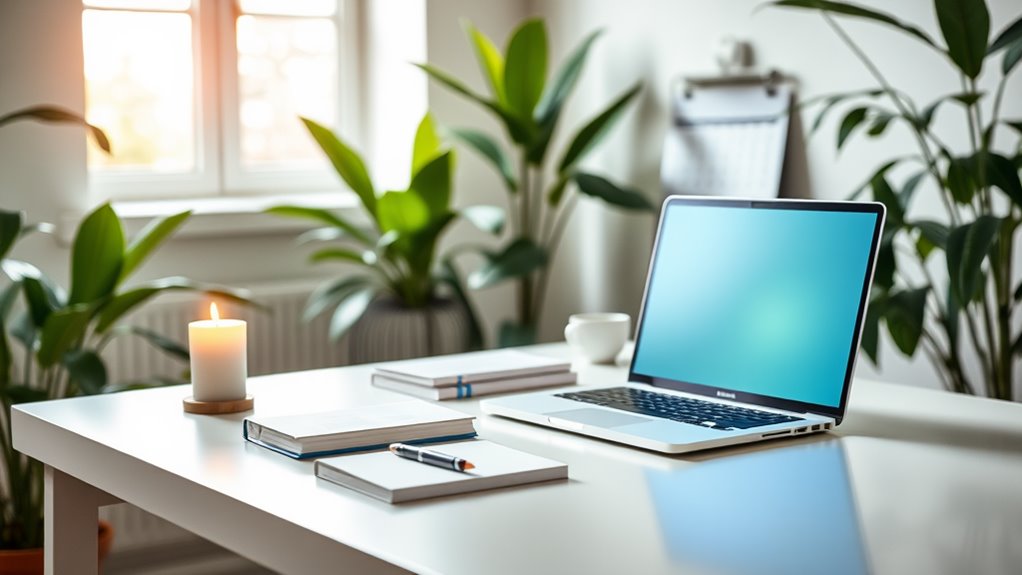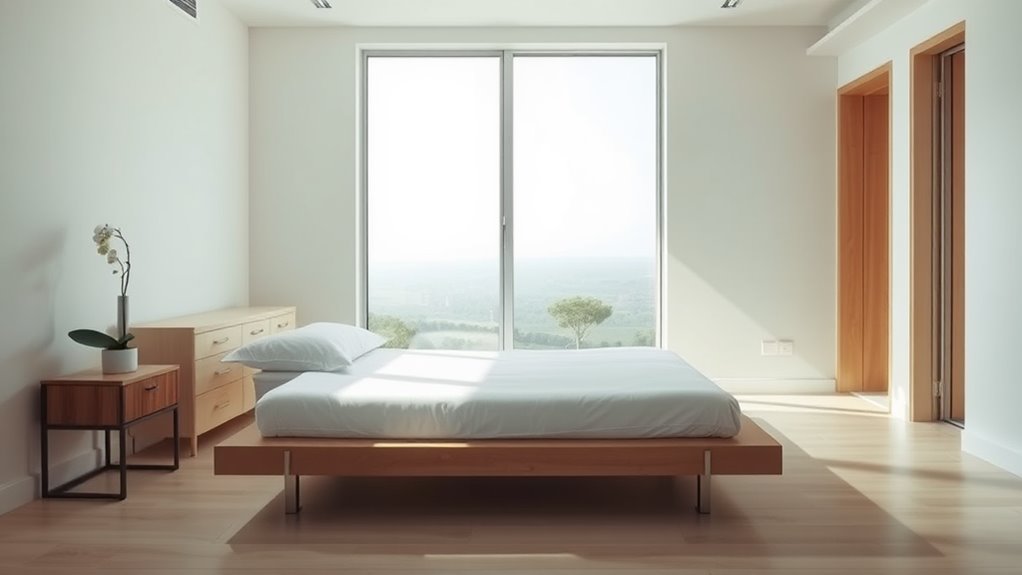
By embracing minimalism, you can shed the weight of clutter, consumerism, and digital distractions, and instead, cultivate a life of clarity, intention, and inner peace. As you declutter your space and mind, you'll break free from the cycle of unnecessary purchases and focus on what truly matters. With a simpler digital life and intentional possessions, you'll create boundaries, prioritize experiences, and let go of emotional baggage, leading to a more fulfilling life. Continue on this path to discover a sense of calm and control that truly transforms your life.
Decluttering the Mind and Space
How much of your mental energy is consumed by the clutter surrounding you? The constant visual noise and disorganization can be overwhelming, making it difficult to focus and think clearly. That's why decluttering your space is vital for a stress-free life. By clearing out the physical clutter, you'll create room for mental clarity. Mindful meditation can likewise help you cultivate a clearer mind, allowing you to prioritize and make intentional decisions about what's truly important. As you declutter your space, you'll begin to notice a shift in your mindset. You'll feel more calm, centered, and in control. With a clearer mind and space, you'll be able to tackle challenges with ease and confidence, leading to a more peaceful and fulfilling life. By simplifying your surroundings, you'll release mental energy and access your full potential.
Breaking Free From Consumerism
As you've decluttered your space and cleared your mind, you're likely beginning to realize that much of the clutter was fueled by consumerism. You've been conditioned to believe that happiness lies in the next purchase, the latest gadget, or the trendiest fashion. But now, you're starting to see the truth: that true freedom lies in making conscious choices, not in accumulating more stuff. By breaking free from consumerism, you're taking an essential step in the direction of financial freedom. You're no longer bound by the shackles of debt, credit card bills, and the pressure to keep up with the Joneses. Instead, you're embracing a lifestyle that values experiences, relationships, and personal growth over material possessions. You're taking control of your life, and that's incredibly empowering.
Simplifying Your Digital Life
During the course of maneuvering through the intricacies of modern life, your digital environment has likely become a cluttered, noisy space that's competing for your attention. It's time to reclaim your digital sanity and simplify your online presence. Start by performing a digital detox, deleting unnecessary apps, and unsubscribing from pesky newsletters. Next, practice online mindfulness by setting boundaries around your screen time and avoiding mindless scrolling. Implementing these habits will help you regain control over your digital life, allowing you to focus on what truly matters. By streamlining your digital space, you'll reduce distractions, increase productivity, and free up mental energy to tackle life's challenges with clarity and precision.
The Power of Intentional Possessions
As you begin to surround yourself with only what serves a purpose, you'll notice a significant shift in your living spaces – they'll become decluttered, organized, and peaceful. By adopting mindful consumption habits, you'll start to think twice before buying something, ensuring that each new possession aligns with your values and goals. This intentional approach will help you break free from the cycle of unnecessary purchases and focus on what truly adds value to your life.
Decluttered Living Spaces
You step into your living room, and suddenly, you're hit with a wave of anxiety. The cluttered space seems to close in on you, making it hard to breathe. You know it's time to declutter and create a peaceful oasis. With intentional possessions, you can transform your living space into a haven of calm.
| Before | After | Benefits |
|---|---|---|
| Cluttered shelves | Organized bookcase | Reduced visual stress |
| Piles of papers | Filed documents | Increased productivity |
| Crowded countertops | Minimal decor | Improved focus |
| Stuffed closet | Curated wardrobe | Augmented self-expression |
Mindful Consumption Habits
How do you approach buying new things? Do you impulse buy or thoughtfully consider each purchase? Developing mindful consumption habits is crucial to living a stress-free life. It's about adopting conscious spending habits, being intentional about what you bring into your life. It's not just about what you eat, but likewise what you buy. Practice mindful eating by savoring each bite, and apply the same principle to your purchases. Before buying, ask yourself if it aligns with your values and needs. By doing so, you'll reduce unnecessary expenses, declutter your space, and free up mental energy. You'll make room for what truly adds value to your life, and that's the strength of intentional possessions.
Embracing Experiences Over Material Goods
By shifting your focus away from accumulating possessions, you open yourself up to a world of possibilities, where memories and personal growth take center stage. This mindset shift allows you to prioritize experiences over possessions, creating a more fulfilling life. Envision investing in a weekend getaway with friends instead of buying a new designer handbag. The memories and laughter you'll share will far outweigh the fleeting satisfaction of a material possession. By choosing experiences over material goods, you'll cultivate a sense of gratitude and contentment. You'll realize that it's the moments you share with loved ones, the skills you learn, and the challenges you overcome that bring true joy – not the stuff you own. So, start living intentionally and create a life rich in experiences, where memory over materialism is the guiding principle.
Minimalist Routines for a Calmer Morning
You wake up each morning feeling frazzled and overwhelmed, unsure of where to start. By simplifying your wake-up routine and streamlining your morning tasks, you can create a sense of calm and control. By doing so, you'll set yourself up for a more peaceful and productive day.
Simplify Your Wake-Up Routine
As the morning light creeps into your room, your alarm blares to life, and you're suddenly thrust into the chaos of a new day. Instead of hitting snooze, simplify your wake-up routine to set yourself up for a stress-free morning. Start by ditching the jarring alarm sound and replacing it with a gentler, more soothing alternative. Next, create a calming morning ritual, such as taking a few deep breaths, stretching, or practicing a quick meditation. By streamlining your morning, you'll reduce stress and create space for mindfulness. This simple shift in your morning rituals can have a profound impact on your entire day, setting you up for a sense of calm and clarity that lasts long after the morning is over.
Streamline Your Morning Tasks
Simplifying your morning routine doesn't stop at waking up gently. To truly streamline your morning, you need to rethink your morning rituals. Start by identifying the crucial tasks that set you up for success. Prioritize them based on importance and urgency. Focus on completing the high-priority tasks first, and then move on to less critical ones. By doing so, you'll create a sense of control and accomplishment that will carry over into the rest of your day. Remember, the goal is to create a calm and focused morning, not to cram in as many tasks as possible. By applying task prioritization to your morning rituals, you'll be able to tackle your day with clarity and confidence.
The Connection Between Clutter and Anxiety
Cluttered environments can have a profound impact on mental well-being, and research suggests that there's a significant link between clutter and anxiety. When you're surrounded by clutter, it's easy to feel overwhelmed and stressed. The visual distractions, emotional attachments, and chaos reduction can be anxiety triggers that affect your mental clarity. As you navigate your space, you're constantly bombarded with reminders of tasks undone, decisions unmade, and memories unresolved. This can lead to feelings of guilt, shame, and inadequacy, further exacerbating anxiety. By implementing space organization strategies and practicing stress management techniques, you can reduce clutter's grip on your mental health. By doing so, you'll create a more peaceful environment that encourages mental clarity, allowing you to focus on what truly matters. By letting go of the emotional baggage tied to your belongings, you'll be able to break free from anxiety's hold and live a more stress-free life.
Creating Boundaries in a Busy World
In the process of maneuvering through the demands of modern life, you're constantly pulled in multiple directions, making it challenging to prioritize your well-being. As you navigate your busy lifestyle, it is vital to establish boundaries to protect your time, energy, and mental health. Boundary setting is significant in maintaining a sense of control and balance in your life.
| Boundary | Why It's Important | How to Set It |
|---|---|---|
| Learn to say no | Prevents overcommitting | Practice saying no without explanation |
| Set realistic goals | Reduces stress and anxiety | Break down large tasks into manageable chunks |
| Establish a routine | Creates structure and consistency | Prioritize self-care activities |
| Communicate with others | Sets clear expectations | Be direct and assertive in your communication |
| Learn to prioritize | Focuses on what's truly important | Identify and tackle most critical tasks first |
Finding Inner Peace Through Letting Go
As you work to create boundaries and prioritize your well-being, you'll find that another vital step in achieving a stress-free life is learning to let go of the things that weigh you down. This process of release is fundamental in finding inner tranquility. When you hold onto emotional baggage, it's like carrying a heavy load that saps your energy and steals your peace. By letting go, you're allowing yourself an emotional release, freeing up space for positivity and calmness to flood in. It's not about ignoring your emotions or past experiences, but about acknowledging them and choosing to release their hold on you. As you let go, you'll begin to feel lighter, more carefree, and more at peace. This newfound freedom will allow you to focus on the present moment, cultivating a sense of inner tranquility that will stay with you even in the midst of chaos.
Frequently Asked Questions
Can I Still Have Sentimental Items in a Minimalist Lifestyle?
"One man's trash is another man's treasure" rings true in relation to sentimental items. You don't have to sacrifice cherished possessions for a minimalist approach. You're not a bad minimalist if you hold onto items with sentimental value. Instead, curate a few select items that spark joy, and let go of the rest. This way, you're honoring memories without cluttering your space. By doing so, you create a balanced lifestyle that respects your past as you embrace a simplified present.
How Do I Explain My New Minimalist Lifestyle to Friends and Family?
When explaining your new lifestyle to friends and family, be prepared to address their curiosity. Use effective communication strategies like "I value simplicity" or "I'm focusing on what truly matters." Emphasize the lifestyle benefits, such as having more time and energy for what you love. Share how this shift has improved your mental and emotional well-being. By being open and honest, you'll help them understand and respect your decision to live more intentionally.
What if My Partner or Family Members Are Not on Board?
When you’re met with resistance from your partner or family members, don’t get discouraged. Instead, focus on open communication strategies to understand their concerns. You’ll likely find common ground, and that’s where compromise solutions come in. Identify areas where you can meet in the middle, like designating a shared space for their keepsakes or setting aside time for activities they enjoy. By actively listening and finding mutually beneficial solutions, you can create a more harmonious living environment that works for everyone. Additionally, encourage your loved ones to express their feelings and perspectives, as this fosters a sense of belonging and respect. By incorporating selfcare practices for happiness into your discussions, you can highlight the importance of individual well-being in conjunction with shared living arrangements. Ultimately, nurturing both personal and collective happiness will strengthen your relationships, leading to a more supportive and loving atmosphere at home.
Can Minimalism Be Applied to a Busy Work or Social Schedule?
You're wondering if you can apply minimalism to your jam-packed work or social schedule. The answer is yes! By streamlining your time management and prioritizing your schedule, you can eliminate non-essential tasks and focus on what truly matters. This means saying no to unnecessary commitments, batching similar tasks, and leaving buffers for self-care. By doing so, you'll create space for what brings you joy and energy, allowing you to thrive in your busy life.
Is It Possible to Be a Minimalist With Young Children?
Conquering messy mornings, you're probably wondering if you can maintain your minimalist mindset with tiny tornados, aka kids, in tow. The answer is yes! Embracing minimalist parenting means streamlining kids' clutter, creating calm spaces that spark imagination, and teaching your little ones the value of simplicity. By doing so, you'll find more time for meaningful moments and fewer hours spent on cleanup duty. It's about curating a lifestyle that's clutter-free, not kid-free.