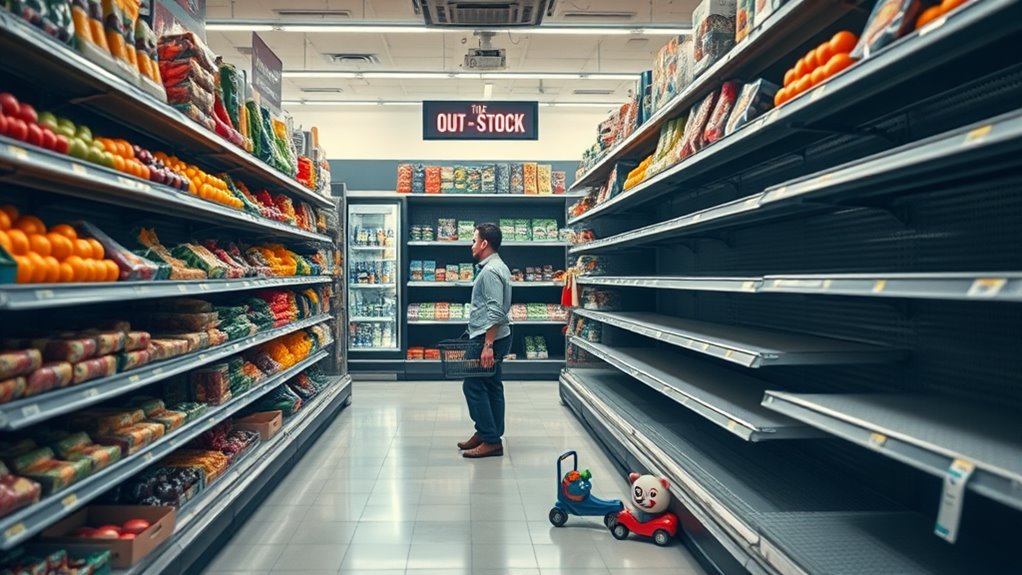
Global supply chain disruptions greatly impact everyday life by limiting product availability and increasing prices across various sectors. Consumers face challenges such as smartphone shortages and rising food costs, which strain household budgets. Clothing retailers experience delays, causing frustration among shoppers. Furthermore, shipping challenges raise operational costs for businesses. These disruptions have led to shifting consumer behaviors, with preferences for local products emerging as communities seek resilience. Further insights can illuminate the full extent of these changes.
Understanding Supply Chain Basics
Though supply chains may appear straightforward at first glance, they involve a complex network of processes that facilitate the movement of goods from producers to consumers. Comprehending supply chain fundamentals is crucial for grasping how products travel from origin to destination. This network includes various components such as sourcing, manufacturing, and distribution, each playing a critical role in the overall efficiency and effectiveness of the system.
Logistics management serves as the backbone of this intricate web, ensuring that products are transported, stored, and delivered in a timely manner. It encompasses planning, executing, and monitoring the flow of goods, which requires coordination among multiple stakeholders, including suppliers, manufacturers, and retailers. By mastering these principles, businesses can optimize their operations, reduce costs, and improve customer satisfaction. In the end, a solid grasp of supply chain basics is crucial for maneuvering today's dynamic marketplace and addressing emerging challenges.
Common Causes of Disruptions
Supply chain disruptions can arise from a variety of unforeseen factors, which often challenge the stability and efficiency of global networks. Natural disasters like hurricanes and earthquakes can severely damage infrastructure, whereas supplier shortages may arise from unexpected events, such as pandemics outbreaks or resource depletion. Geopolitical tensions often lead to trade restrictions and economic sanctions, complicating international trade. Furthermore, transportation breakdowns, whether as a result of vehicle failures or logistical inefficiencies, can cause delays in product delivery. Labor strikes can halt production and distribution, further exacerbating supply issues. Technology failures, such as cyberattacks or system outages, can disrupt operations, leading to cascading effects throughout the supply chain. Comprehending these common causes is crucial for businesses aiming to mitigate risks and maintain operational continuity in an increasingly interconnected world.
Impact on Consumer Electronics
The repercussions of global supply chain disruptions are particularly pronounced in the consumer electronics sector, where timely access to components is crucial for production and innovation. Manufacturers face significant challenges, leading to widespread smartphone shortages as critical parts, such as semiconductors, become increasingly scarce. This scarcity not only hampers the production of new devices but also affects the availability of popular models, frustrating consumers keen for the latest technology.
Similarly, gaming console delays have become commonplace, with many consumers waiting months for their orders to arrive. The impact of these delays extends beyond individual purchases; it disrupts the entire ecosystem of developers and retailers reliant on timely product launches. As companies endeavor to navigate these obstacles, the once seamless flow of consumer electronics has been interrupted, leaving consumers to grapple with limited options and prolonged wait times for their desired devices.
Rising Food Prices and Availability
As global supply chain disruptions persist, rising food prices and availability have emerged as critical concerns for consumers and producers alike. These challenges threaten food security and reflect ongoing agricultural trends that exacerbate the situation. The implications are profound:
- Increased grocery bills strain household budgets.
- Limited access to fresh produce affects nutritional choices.
- Vulnerable populations face heightened hunger risks.
- Farmers grapple with fluctuating costs and market instability.
These factors create a complex web where the availability of vital food items is increasingly precarious. As farmers struggle to adapt to changing weather patterns and supply chain inefficiencies, consumers are left feeling anxious about their next meal. The cascading effect of these disruptions underscores the urgent need for resilient agricultural practices and effective supply chain solutions to safeguard food security for all.
Effects on Clothing and Retail
Rising food prices and availability issues are not the only sectors feeling the strain of global supply chain disruptions; the clothing and retail industries are similarly facing significant challenges. Many retailers are struggling to keep up with shifting fashion trends because of delays in production and shipping. As raw materials become harder to source, manufacturers are forced to adapt swiftly, often leading to inconsistent product offerings.
Moreover, the disruptions have prompted retailers to reevaluate their retail strategies. Businesses are increasingly focusing on local sourcing and agile inventory management to mitigate risks associated with long shipping times. This shift may lead to a more sustainable approach, but it also raises questions about price increases for consumers. In the end, the clothing and retail sectors must navigate these disruptions thoughtfully to maintain relevance in a swiftly changing market scenery as they address consumer demand and expectations.
Transportation and Shipping Challenges
Transportation and shipping challenges have emerged as significant factors in global supply chain disruptions. Rising shipping costs and delayed deliveries are increasingly affecting businesses and consumers alike. These issues not merely strain logistics but furthermore contribute to the overall volatility of the market.
Rising Shipping Costs
Significant increases in shipping costs have emerged as a major challenge within the global supply chain environment. These shipping price increases have far-reaching freight cost implications, impacting businesses and consumers alike. The emotional toll can be illustrated through several key points:
- Higher prices for goods as businesses pass on shipping costs to consumers.
- Increased operational costs that strain small businesses, potentially leading to closures.
- Limited availability of products, creating frustration among consumers.
- Wider economic impact, affecting employment and economic stability in communities.
As shipping costs continue to rise, grasping the underlying causes and implications becomes crucial for maneuvering this intricate terrain and its effects on everyday life.
Delayed Deliveries Impact
The surge in shipping costs has not just affected pricing but has furthermore led to widespread delays in deliveries, compounding challenges within the global supply chain. These delays disrupt delivery expectations, leading to a decline in customer satisfaction. Businesses struggle to meet commitments, resulting in frustrated consumers and potential loss of loyalty.
| Impact | Description |
|---|---|
| Delivery Times | Increased delays in receiving goods |
| Customer Expectations | Heightened dissatisfaction with services |
| Business Operations | Disruption in inventory management |
| Long-term Effects | Potential loss of customers |
As businesses navigate these transportation and shipping challenges, maintaining transparency with consumers becomes vital to mitigate dissatisfaction and restore faith in delivery processes.
Shifts in Consumer Behavior
The recent global supply chain disruptions have prompted notable changes in consumer behavior. Many individuals have turned to increased online shopping as a primary means of obtaining goods. Furthermore, there is a growing preference for local products, reflecting a shift in values in favor of supporting community businesses.
Increased Online Shopping
As consumers increasingly turn to digital platforms for their shopping needs, the environment of retail has undergone a profound transformation. This shift has been driven by notable online shopping trends, particularly during times of supply chain disruptions. E-commerce growth has surged, leading to significant changes in consumer behavior.
Key factors influencing this trend include:
- Convenience: Shoppers value the ability to browse and purchase from home.
- Variety: Online platforms offer a wider selection of products than physical stores.
- Price Comparison: Consumers can easily compare prices, ensuring they find the best deals.
- Speed of Delivery: Immediate gratification is achieved through fast shipping options.
These factors highlight the emotional connection consumers now have with online shopping, reshaping their retail experiences.
Shift to Local Products
In response to supply chain disruptions, consumers are increasingly favoring local products, reflecting a significant shift in purchasing behavior. This trend highlights a growing preference for local sourcing as individuals seek to support their communities and reduce reliance on distant suppliers. By choosing local goods, consumers not only contribute to the regional economy but additionally cultivate stronger ties within their neighborhoods. The desire for community support has driven many to prioritize businesses that are rooted in their locale, facilitating a more sustainable approach to consumption. This shift not only aids local artisans and farmers but also improves resilience against future global disruptions. As consumers embrace this change, the importance of community and locality becomes increasingly clear in the marketplace.
Strategies for Mitigating Disruptions
Organizations must adopt proactive strategies to mitigate disruptions in global supply chains. By focusing on supply chain resilience and effective risk management, they can weather unexpected challenges. These strategies not only safeguard the bottom line but also guarantee a seamless experience for consumers. Key approaches include:
- Diversifying Suppliers: Engaging multiple suppliers reduces dependency on a single source and improves flexibility.
- Investing in Technology: Utilizing advanced analytics and real-time tracking can provide valuable insights for quicker decision-making.
- Building Strong Relationships: Collaborating closely with suppliers cultivates trust and improves communication, crucial during crises.
- Regular Risk Assessments: Conducting frequent evaluations of potential vulnerabilities helps organizations stay ahead of disruptions.
Frequently Asked Questions
How Do Supply Chain Disruptions Affect Local Businesses Specifically?
Supply chain disruptions can feel like a tornado ripping through the carefully organized terrain of local businesses. Many struggle with local sourcing, as reliance on distant suppliers falters, leaving shelves bare and customers frustrated. Inventory management becomes an intimidating puzzle, with businesses scrambling to optimize stock levels amidst unpredictable delays. In this chaotic environment, local enterprises must adapt swiftly, grappling with the impact of external factors on their day-to-day operations and community relationships.
What Role Does Technology Play in Supply Chain Management?
Technology plays an essential role in supply chain management by enhancing efficiency and decision-making. Automation solutions streamline processes, reducing manual labor and improving speed. Meanwhile, data analytics provides valuable insights into inventory levels, demand forecasting, and supplier performance. Together, these technologies enable businesses to respond more effectively to challenges, optimize resources, and minimize costs. This integration finally leads to a more resilient and adaptive supply chain, capable of maneuvering intricacies in the global market.
Are There Long-Term Effects From Recent Supply Chain Disruptions?
The theory that recent supply chain disruptions could lead to long-term impacts is gaining traction. Experts suggest that these disruptions may compel businesses to prioritize supply chain resilience, promoting innovations in logistics and inventory management. As companies adapt to new realities, they might develop strategies that guarantee greater flexibility and responsiveness. As a result, although challenges persist, the long-term effects could eventually improve operational robustness and mitigate future vulnerabilities within global supply chains.
How Can Consumers Advocate for Better Supply Chain Practices?
To advocate for better supply chain practices, consumers can improve their awareness of sourcing and production methods. By prioritizing sustainable practices, they can motivate companies to adopt environmentally friendly and ethical operations. Engaging in discussions, supporting brands with transparent supply chains, and participating in campaigns for responsible sourcing are effective strategies. Increased consumer demand for sustainability can drive businesses toward more responsible practices, ultimately nurturing a more equitable and environmentally conscious marketplace.
What Is the Future Outlook for Global Supply Chains?
The future outlook for global supply chains hinges on the concepts of supply chain resilience and automation trends. Experts theorize that companies will increasingly adopt advanced technologies to improve flexibility and responsiveness. This shift aims to mitigate risks posed by disruptions, cultivating a more robust supply chain framework. As businesses prioritize innovation and efficiency, the integration of automation will likely reshape logistics, eventually leading to a more adaptable and sustainable global supply chain environment.


